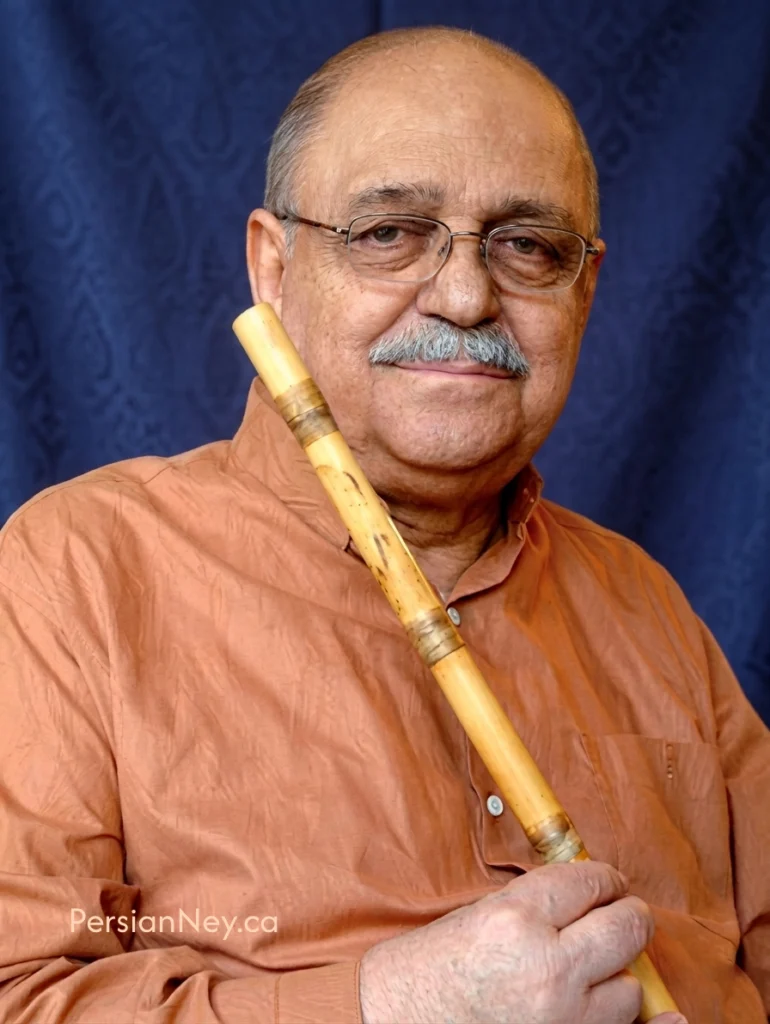
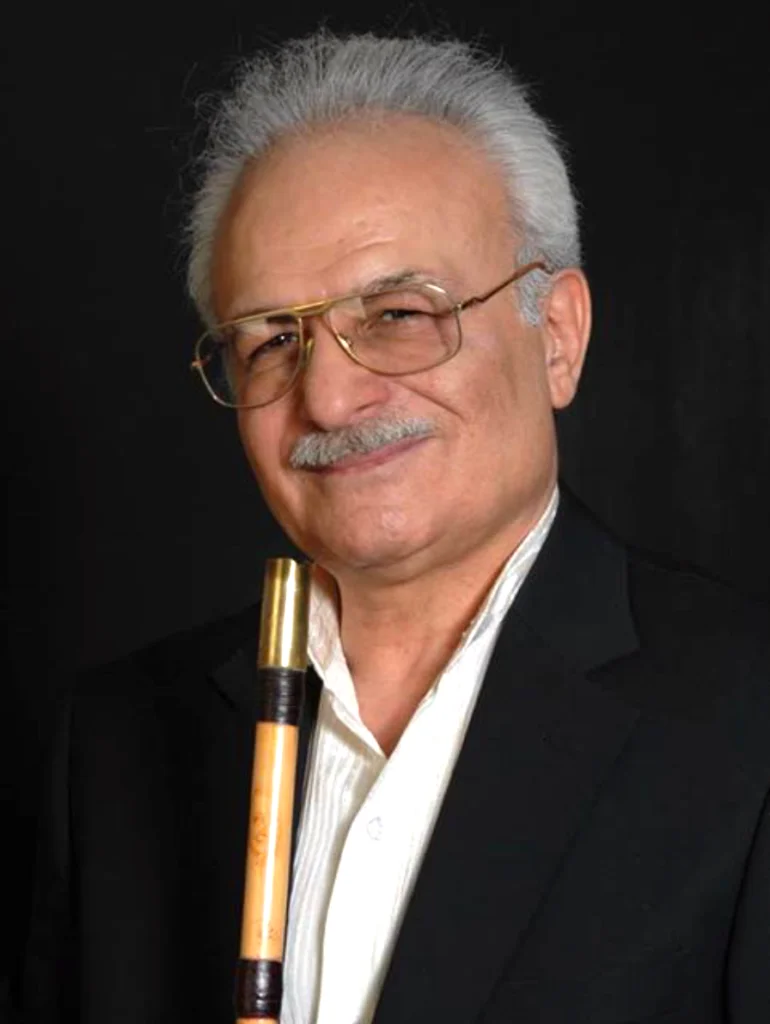
The Persian ney is a traditional end-blown reed flute that holds a central place in Persian classical music. Known for its deep, expressive sound, it is one of the oldest wind instruments still played today, with roots going back thousands of years. Made from natural cane, usually Arundo donax, the ney is carefully crafted to produce a rich and emotional tone that reflects the spirit of Persian music.
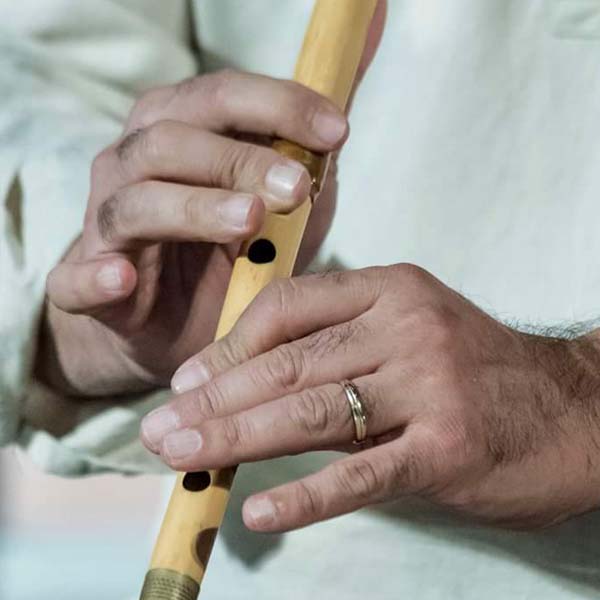
The instrument features five finger holes on the front and one on the back, allowing for a wide range of notes and subtle variations in sound. Playing the Persian ney requires a unique blowing technique, where the player controls the airflow across the top edge. This method takes time to develop but is essential for achieving the authentic tone and character of the instrument.
In this Persian ney course, you will learn the core techniques needed to play with confidence and precision. The lessons cover proper hand position, correct finger placement, breath control, and tonguing techniques. Special attention is given to producing the distinct sound and style used in Persian classical music.
This course is designed for players who already have a basic understanding of the ney and want to improve their skills. It is also valuable for more advanced musicians who are looking to refine their technique, develop better control, and deepen their understanding of the Persian style.
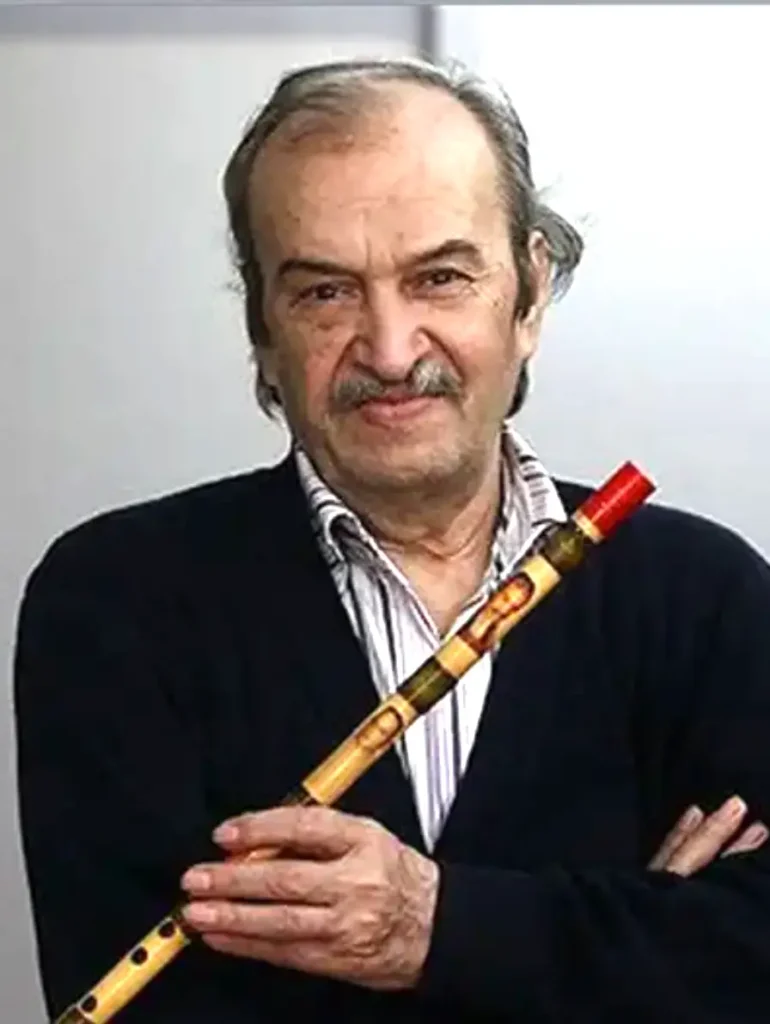
Listening plays a big role in learning the Persian ney. By studying recordings of great masters like Hassan Kassaei, Hassan Nahid, Mohammad Mousavi, and Mohammad Ali Kiani Nejad, you start to understand the true sound and feeling of the instrument. Pay attention to tone, breathing, phrasing, and small details that shape the music. Beginners can start by copying short phrases, while more advanced players can focus on developing their own style, improving ornamentation, and building deeper musical expression.